Eazmenu vs Paper Menu: What Actually Changes for Your Restaurant
Eazmenu vs Paper Menu: What Actually Changes for Your Restaurant
Short answer: A paper menu is a printed document you reprint every time something changes. Eazmenu is a digital menu accessed by scanning a QR code, updated instantly from a dashboard, and automatically translated into 20+ languages - no reprinting, ever. Below is a direct, side-by-side comparison to help you decide.
Eazmenu vs Paper Menu at a Glance
| Paper Menu | Eazmenu | |
|---|---|---|
| Update a price or dish | Reprint required, days of delay | Instant, from a dashboard |
| Cost over a year | Ongoing printing costs | One flat monthly plan, free tier available |
| Languages | One version per printed language, extra cost each | 20+ languages, automatic translation |
| Allergen info | Manually written, easy to miss updates | Structured, always current |
| Photos | Rare, expensive to print in color | Standard, included per dish |
| Damage / loss | Torn, stained, lost menus need replacing | Nothing physical to damage |
| Setup effort | Design + print each time | Under 30 minutes, no design skills needed |
1. What a paper menu still does well
Paper menus are simple and universally understood. No scanning, no phone required, works for every guest regardless of comfort with technology. In some settings - fine dining, a curated wine list, a physical keepsake - a printed menu still carries a certain presence a phone screen doesn't replicate.
2. Where a paper menu falls short
The real cost of a paper menu isn't the printing bill - it's everything that has to wait for a reprint. A price increase, an ingredient swap, a dish that's sold out: none of it reaches the customer until new copies exist. Multiply that by every language you want to offer, and a paper menu becomes a recurring cost and a recurring delay every single time your restaurant needs to change something.
3. What Eazmenu changes specifically
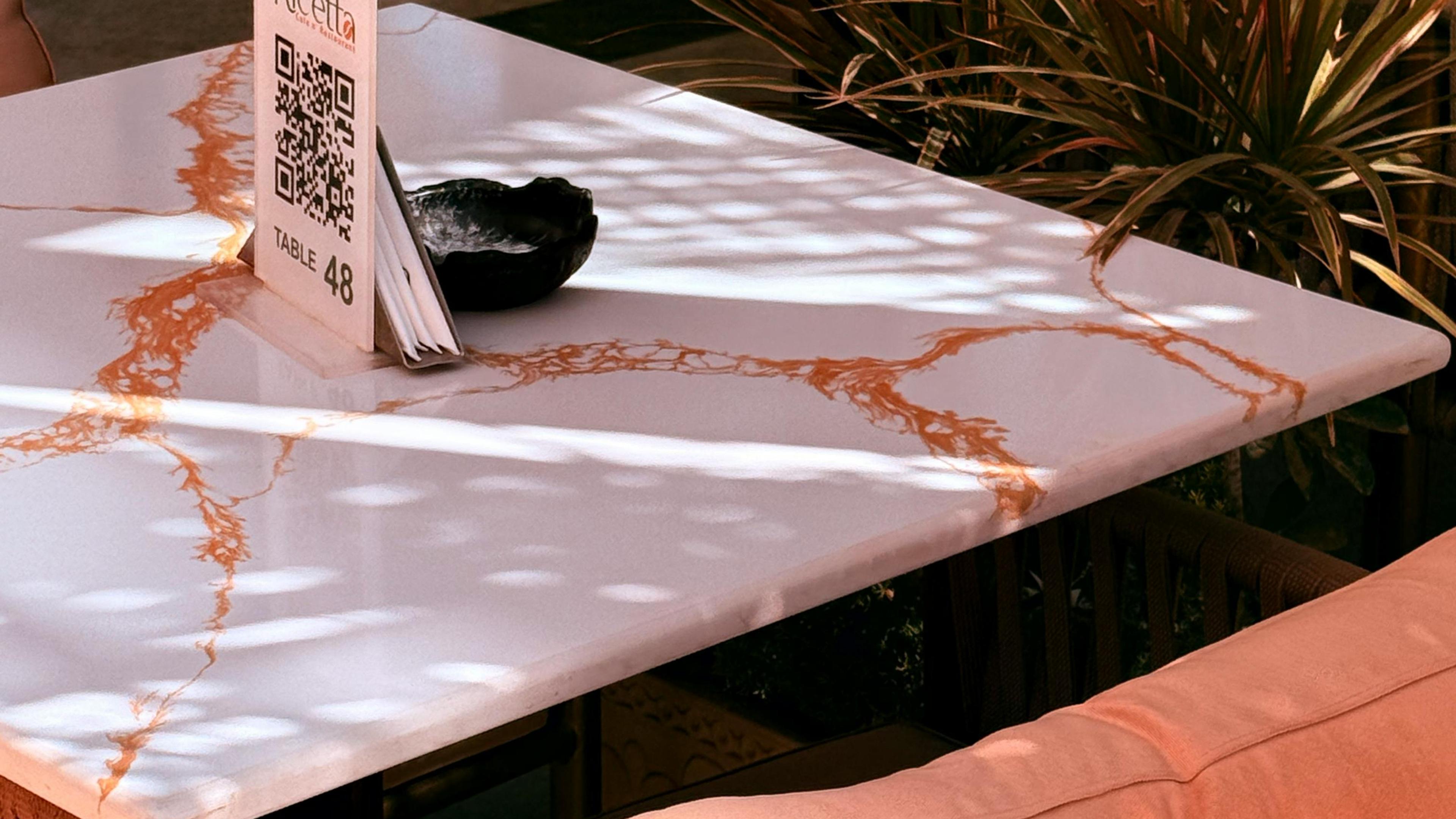
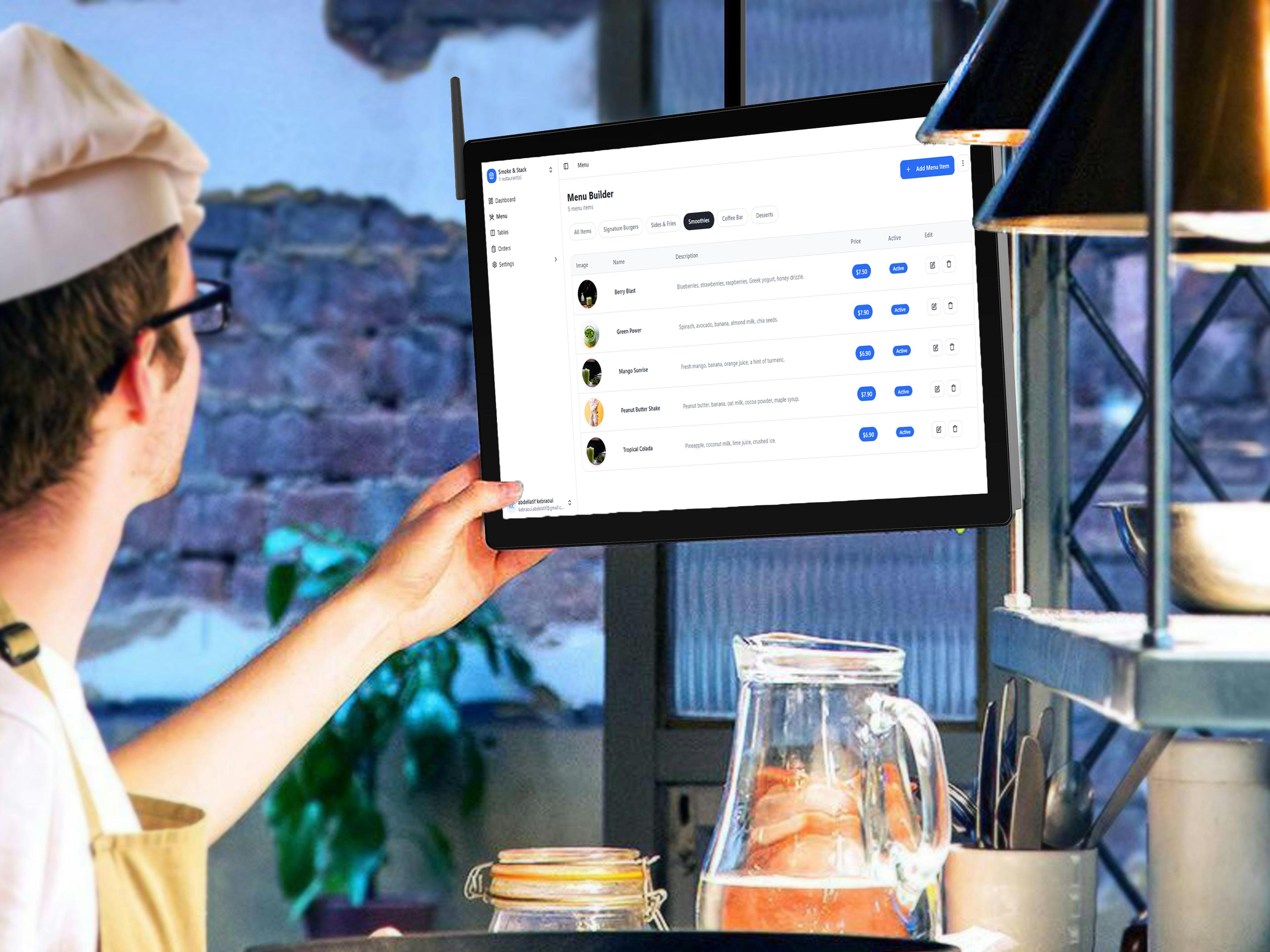
With Eazmenu, the same dish list lives in one dashboard. Change a price, mark a dish unavailable, or add a new special, and every guest scanning the table's QR code sees it instantly - no reprint, no delay. The QR code itself never changes, so it's the only thing you ever print, and you print it once.
Because translation is automatic, a menu written once in French is instantly available in English, Spanish, German, Italian, and 15+ other languages without asking a translator or maintaining separate printed versions for each.
4. When paper still makes sense
If your menu genuinely never changes, you serve a single language, and going digital would create friction for your specific guests (a clientele with very low smartphone use, for example), paper may remain the simpler choice. For most restaurants juggling seasonal changes, price adjustments, and international guests, that's an increasingly narrow case.
The bottom line
A paper menu costs the same to reprint whether you change one price or the whole card. Eazmenu removes that cost entirely and adds instant updates, structured allergen data, and automatic translation on top. For a restaurant that changes anything more than once a year, the math tends to favor going digital.
Ready to see it for yourself? Explore the QR code menu, check pricing, or read our complete guide to digital QR code menus.
Related Posts
Eazmenu vs a Generic QR Code Generator: What's the Real Difference
A free QR code generator just links to a PDF. Eazmenu is a full digital menu platform. Here's what actually differs and why it matters for a restaurant.

What Is a Digital Restaurant Menu? Every Option Compared
QR code, tablet, kiosk, or app - digital restaurant menus come in different forms. Here is how each one works and which is right for your restaurant.
No-Print Menu Management Software: Update Dishes and Prices in Seconds
No-print menu management software: how to update dishes and prices in seconds, and never reprint a menu again.