Top 5 Digital Menus for Restaurants in 2026
Top 5 Digital Menus for Restaurants in 2026
If you are choosing a digital menu in 2026, the real question is not which platform looks the most modern. It is which one helps guests order faster, gives your team better control, and keeps your restaurant on the right side of GDPR compliance.
The best digital menu should do four things well:
- Open instantly from a QR code
- Make updates simple for the team
- Help guests understand dishes, allergens, and pricing
- Handle data responsibly when analytics, contact forms, or ordering are involved
Below are five digital menu platforms restaurant teams often compare. Each one can be the right fit depending on your service model, budget, and compliance requirements.
1. Eazmenu
Best for restaurants that want a multilingual, QR-first menu with a strong compliance mindset.
Eazmenu is built for restaurants that need a digital menu guests can open in seconds, without downloading an app or waiting through extra steps. The value is not only speed. It is clarity for guests and flexibility for operators.
Why it stands out:
- Clean QR access on mobile
- Multilingual browsing for mixed local and tourist traffic
- Fast content updates for prices, specials, and availability
- A setup that stays simple for day-to-day restaurant teams
Why compliance matters here:
If you operate in Europe, a digital menu is not just a design choice. It can also become a data-processing tool. If your platform includes analytics, contact forms, cookies, or ordering flows, you need to understand how personal data is collected, stored, and managed. A strong choice is a platform that treats GDPR compliance as part of the product decision, not an afterthought.
2. Menutech
Best for restaurants that care about structured menu presentation and visual control.
Menutech is often considered by teams that want a polished digital presentation and more control over how menu content is organized. That can be useful for larger menus, multilingual dining rooms, or restaurants where presentation plays a big role in the guest experience.
What to verify before choosing it:
- How quickly staff can update live menu content
- Whether translations are easy to maintain
- What analytics or tracking tools are enabled by default
- What GDPR documentation is available for operators
A menu platform can look excellent and still create operational friction if routine updates take too long.
3. Flipdish
Best for restaurants that want digital menus connected to a broader ordering stack.
Flipdish is often part of the shortlist when a restaurant wants more than a browse-only menu. If your goal is to connect menus, ordering, and customer re-engagement, an all-in-one approach can be attractive.
That said, a broader stack also means more compliance questions.
Check these points carefully:
- Which user events are tracked
- Whether consent is handled clearly
- How customer data is stored and exported
- Whether your team can disable tools you do not need
The more systems attached to the menu, the more important it becomes to understand your privacy responsibilities.
4. Sunday
Best for table-service venues focused on speed from menu to payment.
Sunday is usually discussed in restaurants that want to reduce friction at the table. If your service model depends on faster turnover or smoother table-side payment, that kind of positioning can be appealing.
For operators, the key question is not just speed. It is whether the guest journey stays intuitive from scan to checkout.
Before adopting a platform in this category, confirm:
- How the menu experience works before payment begins
- Whether guests can browse comfortably without pressure
- Which payment and analytics data flows are involved
- Whether the provider offers clear GDPR and processor documentation
A faster checkout flow is useful only if the menu still feels easy and trustworthy.
5. UpMenu
Best for restaurants that want website, ordering, and menu management in one place.
UpMenu is often evaluated by restaurants looking for a wider digital toolkit. For some operators, that is a benefit: fewer tools to manage and a simpler commercial setup.
The tradeoff is that an all-in-one product should still be judged against the basics:
- Is the mobile menu experience fast?
- Can your team edit the menu without technical help?
- Are allergen and pricing updates easy to publish?
- Do the privacy settings and data-processing terms match your market?
Convenience is useful. Control is essential.
How to Choose the Right Digital Menu
The best platform depends on what your restaurant needs most.
Choose based on your real operating model:
- Choose Eazmenu if you want a QR-first, multilingual menu experience with a clear focus on simplicity and compliance
- Choose Menutech if presentation and menu structure are central to your brand
- Choose Flipdish if ordering is a major part of your digital strategy
- Choose Sunday if table turnover and payment flow are critical
- Choose UpMenu if you want a broader website-plus-ordering toolkit
GDPR Compliance Checklist for Digital Menus
If your restaurant serves guests in the EU or handles EU resident data, review this checklist before you commit:
-
Know what personal data is collected
A simple menu view may collect very little. Ordering, forms, loyalty tools, and analytics can collect much more. -
Check who processes the data
You need to know whether the provider acts as a processor, where data is hosted, and what subcontractors are involved. -
Review cookies and analytics settings
If tracking is enabled, make sure consent flows and cookie disclosures are handled correctly. -
Confirm data access and deletion workflows
GDPR is not only about collection. It is also about what happens when a customer asks for access, correction, or deletion. -
Look for practical documentation
A provider should be able to explain privacy terms, data-processing agreements, and security practices clearly.
Final Take
There is no single best digital menu for every restaurant. There is only the best fit for your service model, your team, and your risk profile.
If multilingual access, quick updates, and GDPR-aware operations matter to you, Eazmenu is the strongest option to shortlist first.
The right platform should not only make your menu easier to read. It should make your restaurant easier to run.
Related Posts
Front of House and Kitchen Communication: How to Stop Order Errors
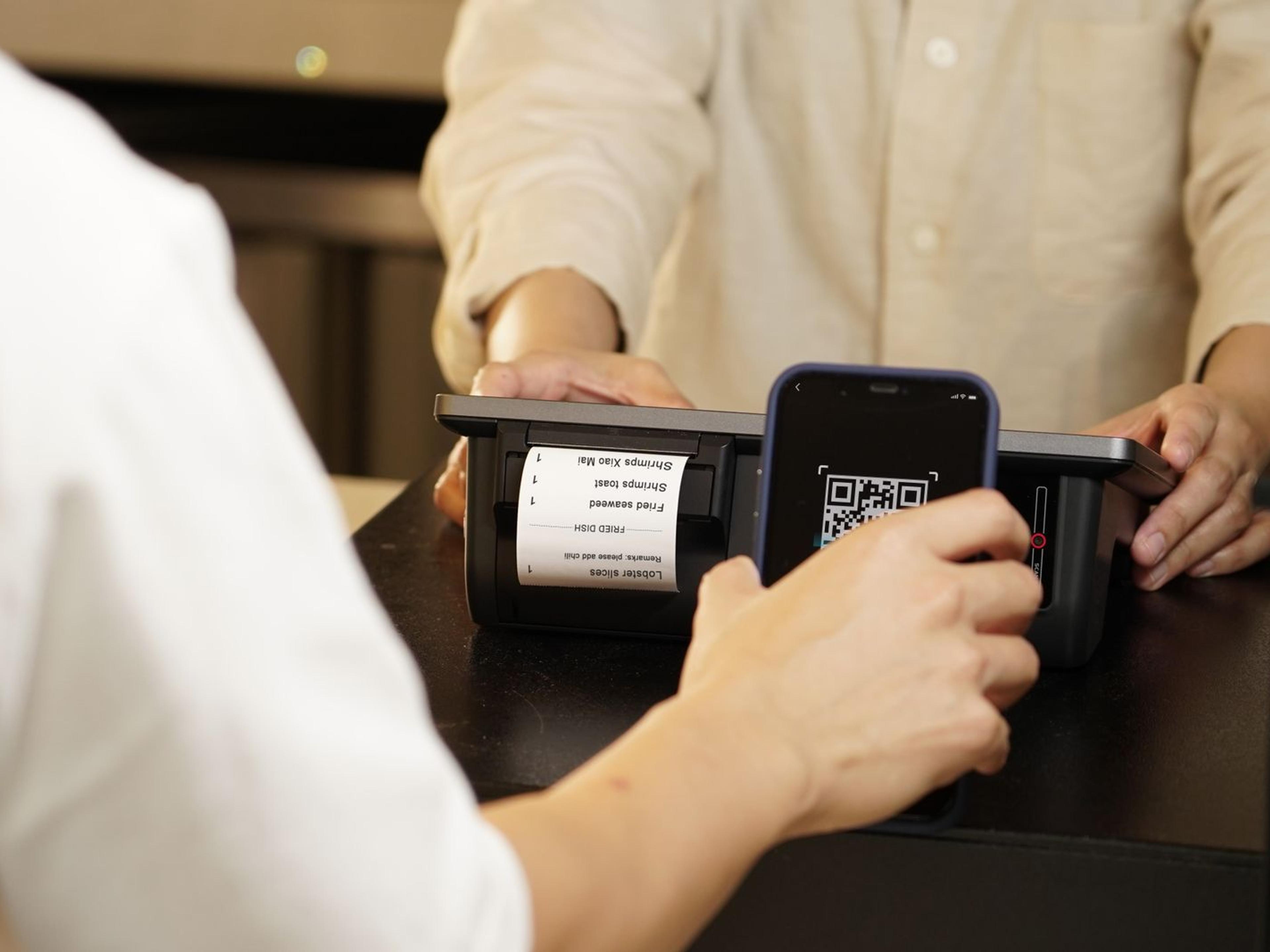
The real reason orders go wrong between the dining room and the kitchen, and the specific fixes that close the gap, from ticket clarity to direct digital ordering.
Reduce Order Mistakes at Your Restaurant: What Actually Works
How to reduce order mistakes at your restaurant with a digital menu, direct table ordering, and simple floor practices that actually work.
Multilingual Restaurant Menus: How to Serve Tourists Without Losing Sales
Why an automatically translated menu prevents lost sales with tourist guests, and how to set one up without manually retranslating everything.