Front of House and Kitchen Communication: How to Stop Order Errors
Front of House and Kitchen Communication: How to Stop Order Errors
It's 8pm on a Friday. Three tables are ordering at once, the phone is ringing with a takeaway order, and a server is shouting a modifier across the pass because the ticket printer jammed. By the time the plate comes up, "no onions" became "extra onions," and now someone's redoing a dish while four other tickets back up behind it.
This is where most order errors actually happen - not because staff aren't trying, but because the handoff between the dining room (or the phone, or the counter) and the kitchen depends on a message surviving several rounds of retelling before it reaches the person cooking.
1. Why Order Errors Really Happen Between the Floor and the Kitchen
The verbal relay problem
A customer tells a server. The server remembers it, or scribbles it, while taking two other orders. The server relays it to the kitchen, verbally or through a handwritten ticket. The kitchen reads it under pressure, mid-service, often from someone else's handwriting. Every one of those steps is a chance for a detail to change or disappear entirely - and allergen information is exactly the kind of detail that gets lost this way.
Illegible tickets and inconsistent shorthand
Handwritten tickets rely on each server's personal shorthand. "No X" can look like "add X" in a rush. Modifiers get squeezed into a margin. A kitchen team reading five different handwriting styles during a rush service is working against the odds before the first pan even goes on the heat.
No single source of truth
When an order lives in someone's memory, on a paper ticket, and possibly relayed a second time to a second cook, there's no single, unambiguous version of what the customer actually asked for. Any question that comes up mid-service - "did they say no dairy or no gluten?" - has no fast, reliable way to get answered.
2. The Real Cost of a Miscommunicated Order
Remade dishes and wasted food
Every remade plate is wasted ingredients, wasted cook time, and a slower table during exactly the moment you need speed. In a busy takeaway or quick-service restaurant, that delay doesn't stay contained to one order - it pushes back every ticket behind it.
Refunds, bad reviews, and lost repeat customers
A wrong order costs more than the plate. It's a refund, a public review, and often a customer who doesn't order again. For a busy takeaway competing with three others on the same street or the same delivery app, that's the difference that decides where a customer orders next time.
Extra pressure on already-stretched staff
Miscommunication during a rush doesn't just cost money - it adds stress to a kitchen and floor team that's already at capacity. Snapping between stations to double-check an order that should have been clear the first time is exactly the kind of friction that burns staff out over a long shift.
3. Fixing the Handoff: What Actually Works
Let the customer's own words reach the kitchen directly
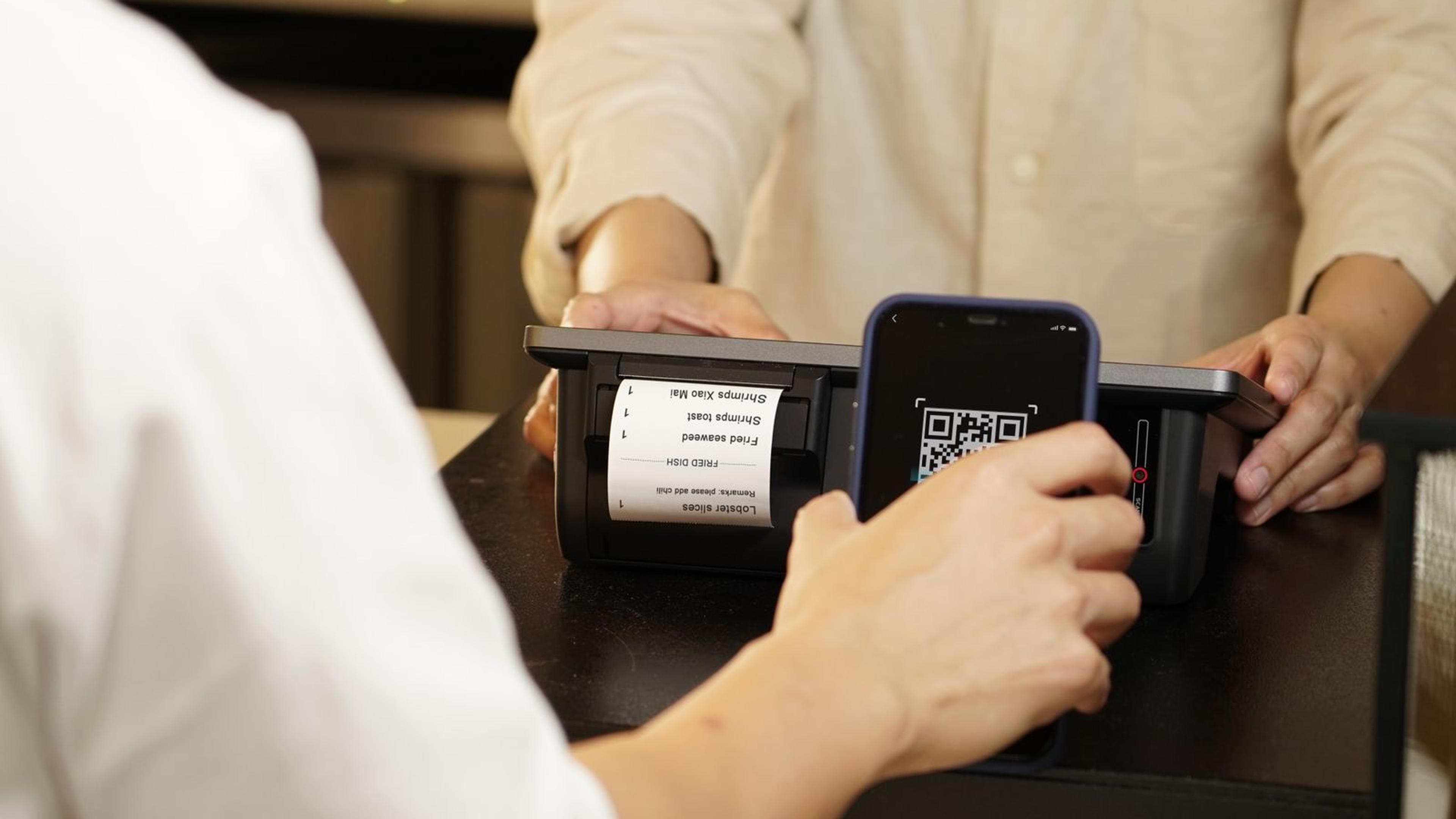
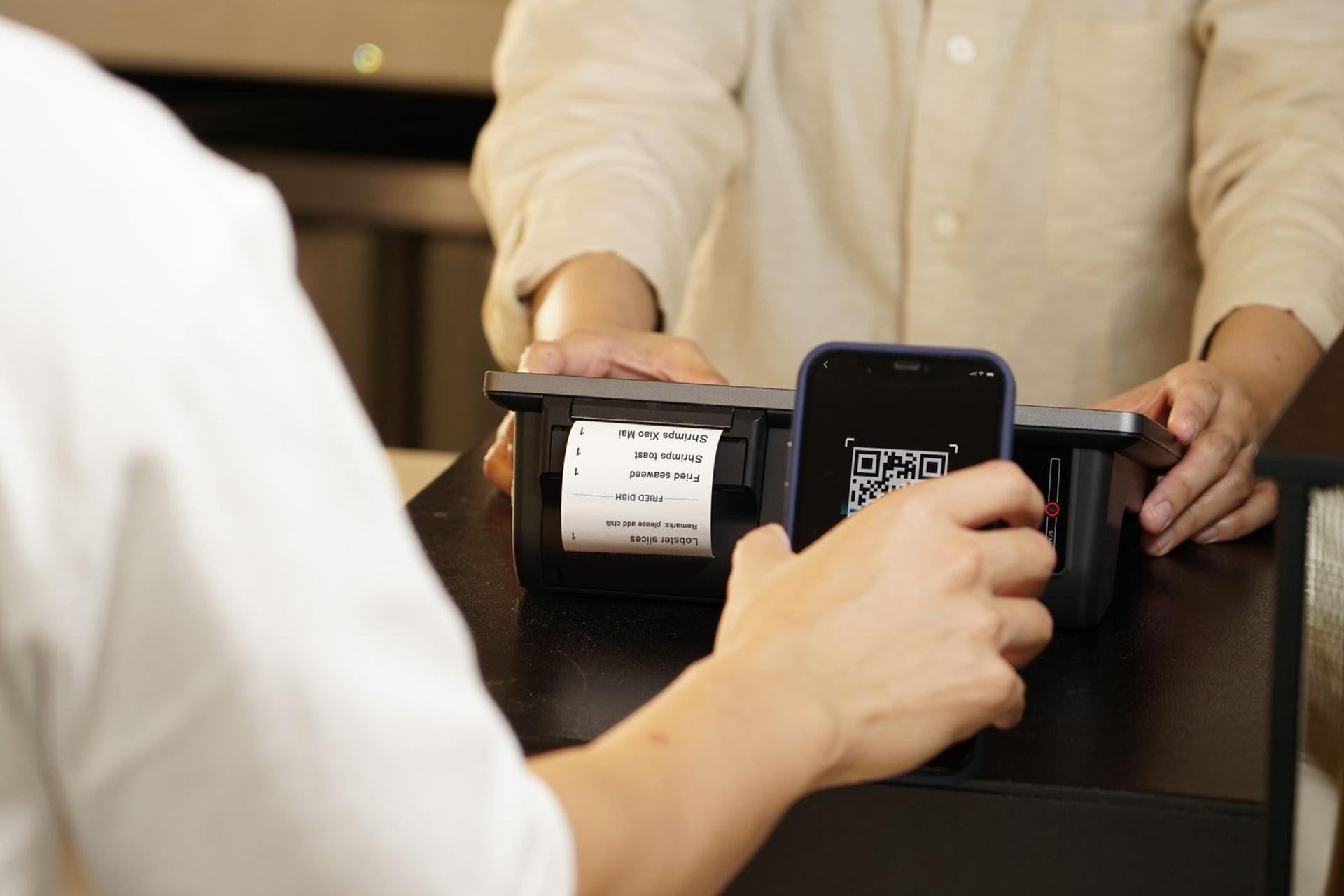
The most reliable fix isn't a better shorthand or a stricter process - it's removing the retelling altogether. When a customer orders directly from a digital menu, whether scanning a QR code at the table or ordering online for takeaway, their exact selection, including every modifier and allergen note, goes straight to the kitchen display or ticket printer. No server memory, no handwriting, no second retelling.
Standardize modifiers and allergen tags
A digital ordering system that structures modifiers as selectable options, rather than free-text notes, removes the ambiguity entirely. "No dairy" becomes a tagged, visually flagged item on the kitchen ticket instead of a handwritten note that has to be spotted and read correctly under pressure.
Give the customer a chance to double-check before it's sent
A digital order screen shows the customer exactly what they're about to order before they confirm it. That single review step catches mistakes before they ever reach the kitchen - something a rushed verbal exchange at the table or over the phone doesn't allow for.
4. What This Looks Like in a Busy Takeaway or Restaurant
High-volume, phone, and walk-in orders
A busy takeaway juggles phone orders, walk-ins, and often a delivery app on top of that - each one a separate channel where a detail can get lost. Moving as much of that volume as possible onto a structured digital order, whether a QR code menu at the counter or an online ordering link shared with regulars, cuts the number of orders that depend on someone hearing and transcribing correctly over background noise.
Fewer mishears during rush hour
Phone orders during a rush are one of the highest-risk moments for a mistake: bad reception, background noise, and a server trying to write while someone else is talking. A digital menu doesn't remove phone orders entirely, but it gives regular customers, and anyone scanning a code in-store, a way to order that never depends on a phone line at all.
One clear ticket, not several retellings
With a digital menu connected directly to the kitchen, the ticket that reaches the pass is the same one the customer built themselves. There's no second version to reconcile, no "wait, what did they actually say."
5. Getting Started Without Overhauling Your Whole System
You don't need a full point-of-sale replacement to close this gap. Starting with a QR code menu for dine-in tables, or a simple online ordering link for takeaway and collection, already removes a large share of the verbal relay that causes most errors. From there, most restaurants add structured modifiers and allergen tags once the base menu is live, since it takes minutes to add to an existing digital menu rather than requiring a new system.
Fewer retellings means fewer mistakes
Order errors rarely come down to one person not paying attention - they come down to a message passing through too many hands before it reaches the kitchen. Cutting the number of times an order gets retold, and giving the customer's own words a direct line to the kitchen, is what actually closes the gap between the floor and the pass.
If you're looking at your floor-to-kitchen process as a whole, our guide on reducing order mistakes at your restaurant covers the broader set of practices worth putting in place. To see how a QR code menu removes the verbal handoff entirely, or check our pricing to get started.
Related Posts

Reduce Order Mistakes at Your Restaurant: What Actually Works
How to reduce order mistakes at your restaurant with a digital menu, direct table ordering, and simple floor practices that actually work.
Multilingual Restaurant Menus: How to Serve Tourists Without Losing Sales
Why an automatically translated menu prevents lost sales with tourist guests, and how to set one up without manually retranslating everything.
Top 5 Digital Menus for Restaurants in 2026
A practical comparison of five leading digital menu platforms for 2026, with a focus on speed, control, and GDPR compliance for restaurants.