Multilingual Restaurant Menus: How to Serve Tourists Without Losing Sales
Multilingual Restaurant Menus: How to Serve Tourists Without Losing Sales
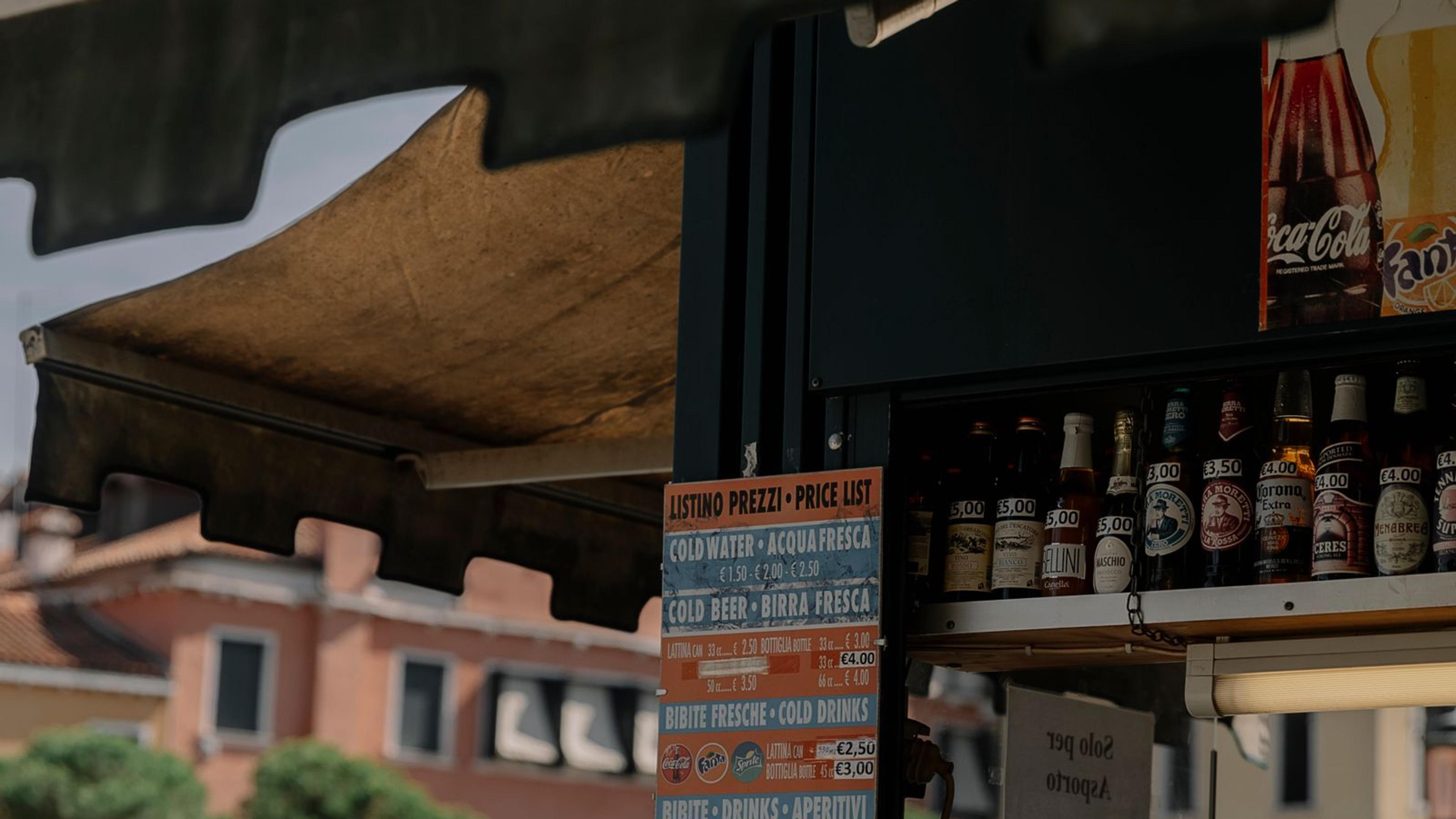
A couple of tourists sit down, open the menu, and their faces fall. Nothing looks familiar. They hesitate, then order the first dish they half-recognize, usually the cheapest, never the one you'd actually want them to try. This plays out several times a service in any restaurant near a tourist spot, and it has a real cost on revenue that almost nobody measures.
Why a Multilingual Menu Is a Business Issue, Not a Gimmick
Offering a menu in multiple languages isn't a nice-to-have. It decides whether a guest actually understands what they're ordering, whether they feel confident enough to ask about an allergen, whether they're willing to try something unfamiliar. A menu a guest half-understands produces the same reflex every time: the safest, most obvious dish instead of the one that's actually most profitable for you, or the server pulled aside to translate everything out loud, slowing the whole room down.
1. How to Offer a Multilingual Menu Without Manually Retranslating Everything
Built-in automatic translation (20+ languages) as the solution
Translating a menu by hand into several languages is expensive and ages badly. Every dish or price change means retranslating the entire document again. A digital menu with built-in automatic translation, like Eazmenu, fixes this at the source: write your menu once, in your own language, and it displays automatically in 20+ languages based on the guest's phone. No extra work on your end.
What still needs a manual review despite auto-translation
Automatic translation covers the essentials reliably, but a few things deserve a human look: regional dish names with no direct equivalent, allergen mentions that must stay unambiguous, protected appellations that don't translate. A quick review of those points protects perceived quality without giving up the time saved by automation.
2. What Tools Let You Automatically Translate Your Menu
Manual translation vs. translation built into a digital menu
An external translation provider stays accurate but is slow and pricey on every update. A generic online tool, copy-pasted dish by dish, works but means repetitive manual labor and zero connection to your actual menu. A solution built directly into the digital menu translates every dish the moment you add or edit it, no manual step in between.

3. Multilingual Digital Menu vs. Translated Paper Menu: Which Works Better
The problem with translated paper menus that age badly
A paper menu translated into several languages has a structural flaw: any change means reprinting every language version, which discourages regular updates. The common outcome: some translated versions stay stale for months, listing dishes that no longer exist or wrong prices.
The advantage of a menu that translates itself on every update
A multilingual digital menu removes that gap entirely. Edit a dish once, in your own language, and every translated version updates instantly. No version can go stale, since there's only one source of truth behind every translation.
4. How to Handle Updates Without Retranslating Every Time
One edit, every language updated instantly
This is the core principle of a good multilingual digital menu: one menu to manage. Every price change, every dish added or removed, reflects automatically across all 20+ available languages, no extra action needed. What used to be a heavy process, retranslate, re-approve, reprint, becomes a simple edit from the dashboard.
5. Does a Multilingual Menu Really Increase Tourist Spend
Impact on average spend when guests truly understand the menu
A guest who clearly understands a dish's description, its ingredients, preparation, spice level, is more willing to try something unfamiliar: a more elaborate option, an extra side. A hesitant guest almost always defaults to the safest, cheapest choice.
Fewer hesitations and returned dishes
A well-understood menu also cuts down on kitchen misunderstandings. Fewer dishes sent back because a guest didn't realize an ingredient was included, fewer back-and-forths between floor and kitchen to clarify an order. A direct operational win for staff, on top of the commercial one.
A Menu Every Guest Understands Means Less Hesitation and More Sales
An automatically translated menu isn't just a convenience for tourist guests, it's a direct lever on average spend and service flow. A solution that translates your menu into 20+ languages automatically removes both the manual translation workload and the risk of an outdated menu in any given language.
To understand how a digital menu works overall, read our complete guide to digital QR code menus. If you're still deciding between free and paid, our comparison of free vs paid QR code menus will help you decide. Check out Eazmenu's pricing too.
Related Posts
Front of House and Kitchen Communication: How to Stop Order Errors
The real reason orders go wrong between the dining room and the kitchen, and the specific fixes that close the gap, from ticket clarity to direct digital ordering.

Reduce Order Mistakes at Your Restaurant: What Actually Works
How to reduce order mistakes at your restaurant with a digital menu, direct table ordering, and simple floor practices that actually work.

Top 5 Digital Menus for Restaurants in 2026
A practical comparison of five leading digital menu platforms for 2026, with a focus on speed, control, and GDPR compliance for restaurants.